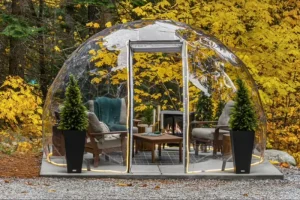
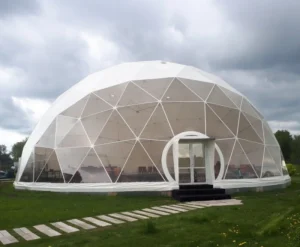
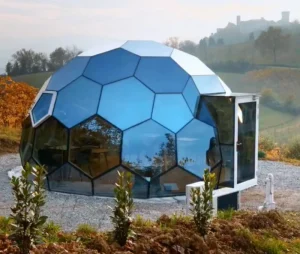
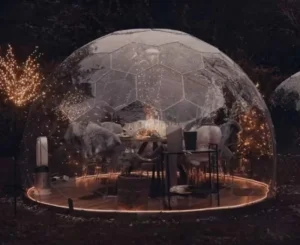
For outdoor enthusiasts or campground operators, choosing the right camping gear is critical. In recent years, geodesic dome tents have emerged as a rising star in the camping world, while traditional tents remain a staple for many. What sets these two options apart? Why are geodesic domes gaining so much attention? This article breaks down their design, performance, and unique benefits to help you decide.
What Is a Geodesic Dome Tent?
Innovative Design Inspired by Architecture
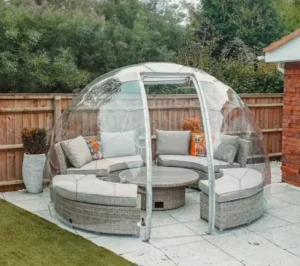
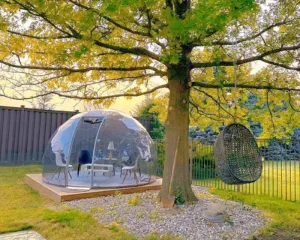
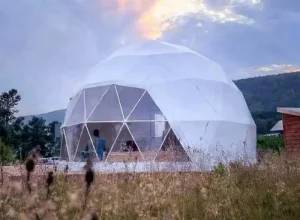
The geodesic dome tent draws inspiration from architect Buckminster Fuller’s iconic “geodesic dome” structure. Its framework consists of interconnected triangular panels, forming a lightweight yet ultra-stable spherical shape. Unlike traditional tents that rely on simple poles, the dome’s geometry evenly distributes external pressure, making it resilient in harsh weather like heavy winds or snowstorms.
Advanced Materials and Functionality
Modern geodesic domes use aircraft-grade aluminum or carbon fiber poles paired with waterproof, UV-resistant nylon or polyester fabric. High-end models often feature panoramic skylights, removable floors, and modular accessories, blending practicality with aesthetics.
Key Features:
Triangular lattice structure for maximum stability
Lightweight yet durable materials
Weatherproof and adaptable to diverse environments
Geodesic Dome Tents vs. Traditional Tents: 5 Key Differences
1. Structure: Stability vs. Simplicity
Traditional tents depend on vertical poles and cross beams, which are easy to set up but vulnerable to strong winds. Geodesic domes, however, use a self-supporting triangular framework that maintains balance without heavy reliance on ground stakes, minimizing collapse risks.
2. Space: Spherical Space vs. Flat Layout
Conventional tents often have limited headroom and cramped interiors. The dome’s 360° spherical design allows adults to stand upright and move freely, ideal for groups or adding furniture like cots or tables.
3. Durability: All-Season vs. Fair-Weather Use
Standard tents may sag or leak under heavy rain or snow. Geodesic domes, with their pressure-dispersing structure, can withstand winds over 50 mph (80 km/h) and light snow loads, making them suitable for mountains, deserts, and coastal areas.
4. Setup: Technical vs. Beginner-Friendly
A traditional tent can be pitched solo in 10 minutes, while geodesic domes require 30+ minutes and teamwork due to their complex design. However, modular components simplify the process with practice.
5. Cost and Audience: Premium vs. Budget-Friendly
Traditional tents range from 50−50−300, perfect for casual campers. Geodesic domes, priced between 500−500−2000, target serious adventurers or those seeking a unique outdoor experience.
Top 4 Advantages of Geodesic Dome Tents
1. Unmatched Durability
The triangular structure absorbs impacts better than traditional designs, extending the tent’s lifespan. Many users report minimal wear even after years of use in extreme conditions.
2. All-Weather Resilience
From desert heat to alpine cold, geodesic domes maintain airflow and waterproof integrity. Some models support add-ons like heaters, enabling comfortable four-season camping.
3. Immersive Nature Connection
Panoramic windows let you stargaze from your sleeping bag without sacrificing privacy or weather protection—a game-changer for nature lovers.
4. Premium Appeal for Campgrounds
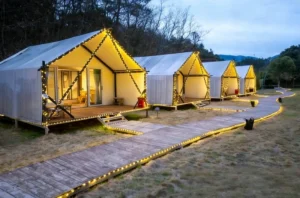
For campground operators, geodesic domes elevate branding by offering “glamping” (glamorous camping) experiences, attracting higher-paying guests and boosting revenue.
Unique Experiences with Geodesic Dome Camping
Scenario 1: Family or Group Trips
While traditional tents force families to split into multiple units, a single geodesic dome comfortably fits 4-8 people. Add partition curtains for privacy while enjoying shared meals or games.
Scenario 2: Extreme Environment Adventures
An Alaskan explorer shared: “During a -20°C blizzard, our dome stayed rock-solid. The interior was 15°C warmer than outside—it literally saved our lives.”
Scenario 3: Social Media & Events
Campgrounds use photogenic geodesic domes as Instagram backdrops, wedding venues, or branded pop-up spaces, driving visibility and bookings.
Conclusion: The Future of Camping?
Geodesic dome tents are redefining outdoor adventures with their science-backed design, durability, and aesthetic appeal. While pricier and slightly trickier to set up, their versatility and unforgettable experiences are winning over campers and businesses alike.
Recommendations:
Individual Campers: Invest in a dome if you prioritize long-term value and extreme weather performance.
Campground Owners: Stand out in a crowded market by offering geodesic domes as premium accommodations.
Whether upgrading your gear or planning a campground, geodesic domes represent a fusion of innovation and nature. Ready to rethink camping? A dome might just be your next great adventure.
Gaxdome is a professional tent manufacturer with 30 years of production and design experience. If you would like to learn more about dome tents, please feel free to contact us. We will provide you with expert purchasing advice and ensure you receive high-quality dome tents.
FAQs about geodesic dome tent
- How to build a geodesic dome tent?
Building a geodesic dome tent involves assembling a strong triangular frame using metal or PVC poles and covering it with a durable fabric like PVC or canvas. Many brands offer prefabricated kits for easier setup. - How much does a geodesic dome tent cost?
The price varies depending on size, materials, and customization. Basic models start at around $2,000, while luxury options with insulation, windows, and wood stoves can exceed $10,000. - Can I live in a geodesic dome tent?
Yes, many people use geodesic domes for full-time living, especially in off-grid or eco-friendly setups. With proper insulation, ventilation, and amenities, they offer a comfortable and energy-efficient home. - How long do geodesic dome tents last?
With high-quality materials and proper maintenance, geodesic dome tents can last 10–20 years or more. Regular cleaning, sealing, and checking for structural integrity can extend their lifespan.