In recent years, the glamping industry has seen remarkable growth, becoming a preferred form of travel for those seeking a blend of comfort, nature, and sustainability. However, in the face of mounting economic uncertainty, glamping entrepreneurs must adopt agile and future-oriented strategies to maintain success and resilience.
1.Glamping Entrepreneurs Stabilize Investments Amid Economic Transition
Unlike traditional hospitality models, glamping requires lower initial infrastructure costs, quicker setup, and higher flexibility. These benefits make glamping an attractive venture even during financial downturns. Investors and resort owners can adapt more rapidly to market shifts without being burdened by expensive overheads or long-term commitments.
2. Flexibility: The Backbone of Business Resilience
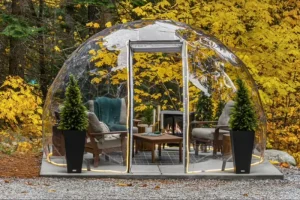
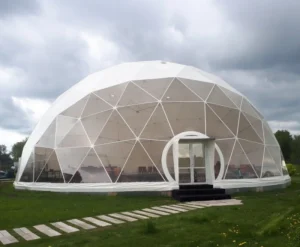
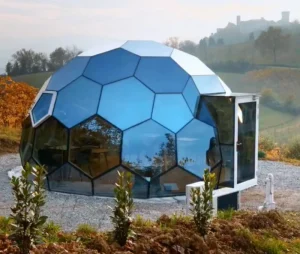
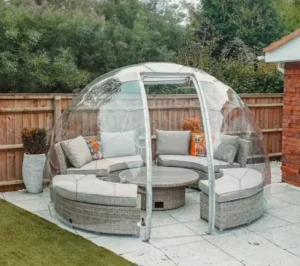
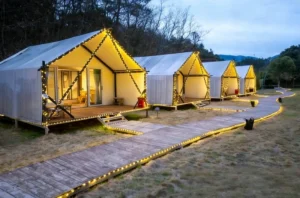
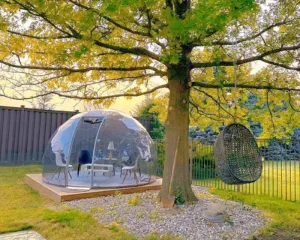
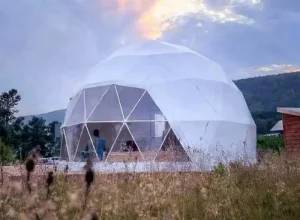
Flexible deployment models—such as movable tents, seasonal layouts, or modular domes—offer glamping operators the ability to scale operations up or down depending on seasonal demand, local regulations, or economic conditions. Being able to relocate or repurpose units quickly helps mitigate financial risk and maintain steady occupancy.
3. Cost-Efficiency Without Compromising Experience
Glamping structures like geodesic domes or safari tents provide luxury-level comfort while remaining cost-efficient. By selecting low-maintenance, durable materials and minimalist interiors, operators can deliver a high-end guest experience without ongoing repair or renovation costs. This approach improves ROI while still appealing to eco-conscious travelers.
4. Aligning with Sustainable and Local Tourism
Today’s travelers are more mindful of sustainability and community engagement. Glamping ventures can capitalize on this by offering eco-friendly amenities, promoting local crafts, and participating in conservation efforts. These practices not only elevate brand identity but also attract ethically-minded tourists even in slower economies.
5. Leveraging Outdoor Hospitality Trends
Post-pandemic shifts have further boosted outdoor travel preferences. Families, remote workers, and digital nomads are seeking nature-based getaways with privacy and comfort. Glamping meets this demand perfectly—providing seclusion, scenic experiences, and flexible booking options, all of which are increasingly relevant in uncertain times.
6. Diversification of Revenue Streams
Successful glamping businesses diversify their income through value-added services such as guided nature tours, yoga retreats, event rentals, and farm-to-table dining. Creating immersive packages allows glamping operators to appeal to niche markets and generate consistent revenue even during low seasons.
Conclusion: Building a Future-Proof Glamping Business
In turbulent times, the adaptability, affordability, and appeal of glamping make it a resilient business model. By focusing on efficient investments, sustainable practices, and evolving traveler preferences, entrepreneurs can not only survive economic challenges but turn them into growth opportunities.