Introduction
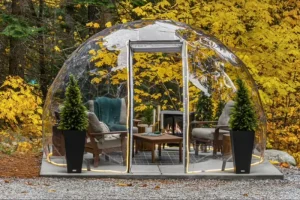
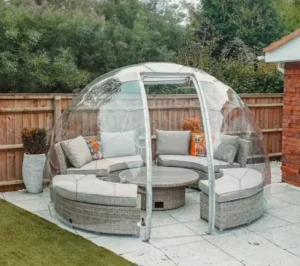
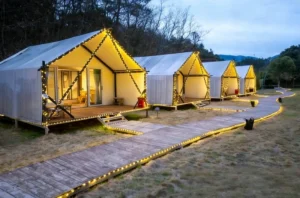
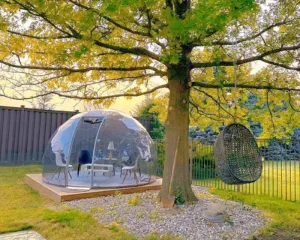
In recent years, whether on city rooftops or in suburban campsites, you’ve undoubtedly seen those translucent glass domes, resembling “alien cabins.” They perfectly combine the fun of outdoor camping with the comfort of indoor living.
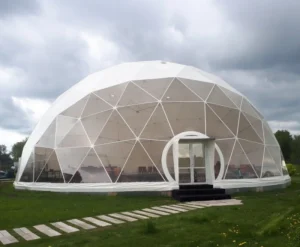
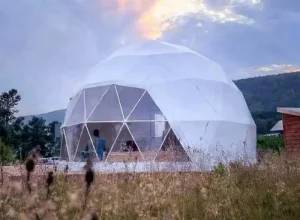
This rounded structure actually uses a geodesic design—many small triangles are pieced together to form a sturdy sphere, making it not only aesthetically pleasing but also exceptionally wind and earthquake resistant. It’s not just a tent; it’s a room with a view of the stars.
Now, with increasing emphasis on environmental protection and green energy, these glass domes have undergone a new upgrade: some have installed solar power films on their surfaces, allowing them to generate their own electricity. Thus, the “solar glass dome tent” has emerged, becoming the focus of our discussion.

What is a solar glass dome tent?
To understand the difference between these domes, we must first clarify the core technology of a “solar dome.”
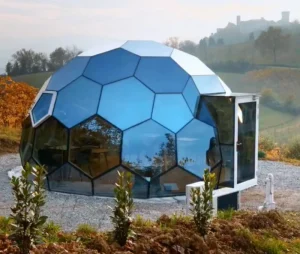
This means that some or all of the “glass” panels that make up the dome’s surface are themselves highly efficient photovoltaic power generation units. These photovoltaic modules are integrated into the building materials, perfectly replacing traditional glass or PC panels.
Solar glass dome tents are not simply photovoltaic panels placed next to the dome; rather, the solar system is deeply integrated with the dome structure.
High-end models employ BIPV (Building Integrated Photovoltaics) technology, making some or all of the dome glass photovoltaic power generation units; while more commercial models provide electricity through external or semi-integrated solar modules.
Regardless of the form, it upgrades the traditional “space enclosure” to an integrated “space + energy” system, making the dome a small, independent power station.
Solar Glass Dome Tent vs. Glass Dome Tent Comparison
Now, let’s delve into a comparison of the specific differences between these two dome structures from several key dimensions, examining their respective advantages and focuses.
① Structural and Material Differences
When you observe these two domes, the first thing you notice is the visual and functional differences brought about by the panel materials.
Ordinary glass dome tents typically use highly transparent tempered glass or polycarbonate panels, pursuing maximum transparency and panoramic views, making you feel as if you are in nature. Its frame structure is relatively simple, primarily functioning to support the weight of the dome itself and resist external wind and snow loads.
In contrast, the panels of a solar glass dome tent utilize BIPV photovoltaic glass. These panels are typically translucent or colored, sacrificing some ultimate transparency for continuous energy output.
Furthermore, due to the need to support the weight of the photovoltaic modules and integrate complex cabling and junction boxes, the frame structure of a solar dome often requires a higher strength design and pre-installed wiring channels.
Regarding additional systems, a conventional dome only needs basic ventilation and exhaust systems, while a solar dome must be equipped with additional power conversion systems (such as inverters), energy storage systems (such as energy storage batteries), and necessary protective devices. The integration of these systems makes the solar dome structure more complex and technologically intensive.
② Functional and Technological Advantages
Comparison The functional differences are the most crucial distinction between the two. The core value of a conventional glass dome lies in providing a unique landscape experience, comfortable spatial enclosure, and basic thermal insulation. Its operation relies entirely on the external power grid; you need to connect to city power or use a diesel generator to maintain internal lighting, cooling, and heating.
Solar glass domes, building on the above functions, add revolutionary energy production capabilities. They can achieve energy self-sufficiency, directly using the generated clean electricity to power electrical appliances inside the dome, including lighting, air conditioning, and water heaters. This gives them greater technological advantages and flexibility.
Especially in terms of thermal management, ordinary glass domes often face the challenge of the “greenhouse effect,” with internal temperatures rising rapidly in summer. Solar photovoltaic modules, due to their translucent or colored characteristics, naturally possess a certain degree of shading, effectively reducing direct solar heat entering the room, helping to optimize internal temperature and reduce cooling energy consumption.
Furthermore, solar domes are easier to integrate with advanced smart home systems, using clean electricity to operate automatic monitoring, smart electric curtains, and environmental control systems, making your living experience more intelligent and environmentally friendly.
③ Applications and Usage Scenarios
Because of their different functions and environmental dependencies, the optimal application scenarios for these two types of domes also differ significantly.
Standard glass dome tents are designed for projects prioritizing stunning visual effects and convenience. They are primarily used in scenic hotels near cities, easily accessible resort camps, themed restaurants, or any location with well-developed electrical infrastructure and stringent requirements for panoramic views. Their design philosophy emphasizes aesthetics, luxury, and immediate comfort.
Solar glass dome tents, on the other hand, exhibit strong environmental adaptability. They are best suited for remote areas, outdoor adventure camps, ecotourism projects, and any off-grid living pods. In these locations, grid connection is extremely costly or impossible, making solar domes the only viable solution due to their energy independence.
The core design philosophy of solar glass dome tents lies in sustainability, environmental protection, and independent operation. If you want to create a “zero-carbon” or “low-energy” environmental education base, a solar dome is undoubtedly the more ideal choice.
④ Cost and Economic Benefit Analysis
When deciding to invest, you must conduct a thorough financial consideration of both options.
In terms of initial investment, the cost of a standard glass dome tent is relatively low, with the main expenditures concentrated on the structural frame, transparent panels, and basic interior finishing. However, the initial investment for a solar glass dome is significantly higher. This is primarily because the manufacturing cost of BIPV photovoltaic glass itself is much higher than that of ordinary glass. Combined with complex inverters, large-capacity energy storage batteries, and specialized photovoltaic installation and wiring, the overall cost is significantly increased.
But the situation is completely reversed in terms of long-term operating costs. Ordinary domes incur high electricity bills during operation, especially in areas requiring frequent cooling or heating, where energy consumption represents a huge expense. Once a solar dome is built and put into use, the electricity primarily comes from free solar energy, minimizing or even eliminating your daily electricity expenses.
In terms of economic returns, ordinary domes mainly generate returns from rental or service income. Solar domes, however, offer multiple returns: in addition to normal operating income, they generate long-term benefits through electricity cost savings. In some areas, where local policies permit, you can even sell excess electricity to the grid, generating additional economic value. Therefore, despite the high initial investment, the total life-cycle cost and long-term benefits of solar domes are often more competitive.
Solar Glass Dome Tent vs. Glass Dome Tent: A Comprehensive Comparison Table
To give you a clearer understanding, we’ve summarized the key differences between these two types of domes in a table:
| Comparison Dimensions | Regular Glass Dome Tent | Solar Glass Dome Tent |
|---|---|---|
| Core Functions | Landscape experience, space enclosure | Landscape experience, energy production |
| Panel Material | High-transparency tempered glass / PC board | BIPV photovoltaic glass (semi-transparent) |
| Energy Dependence | Completely dependent on the external power grid | Highly self-sufficient (better for off-grid) |
| Initial Investment | Low | High |
| Long-Term Energy Consumption | High (requires ongoing electricity bills) | Extremely low (self-generated electricity) |
| Thermal Management | Prone to greenhouse effect | Provides shading & cooling benefits |
| Optimal Scenarios | Urban/suburban areas, locations with stable power supply | Remote areas, ecotourism, off-grid campsites |
Solar Glass Dome Tent vs. Glass Dome Tent: Advantages and Disadvantages
After a detailed comparison, we can summarize the advantages and disadvantages of each type of dome to help you weigh the pros and cons.
Advantages and Disadvantages of Regular Glass Dome Tents
The greatest appeal of regular domes lies in their immediacy and transparency. Its initial construction cost is low, it can be quickly put into operation, and it offers unparalleled panoramic views, making it ideal for projects seeking the ultimate stargazing experience.
However, its disadvantages are also very obvious. Since the structure does not have its own energy production capacity, it is highly dependent on power infrastructure; any power outage will affect operations. At the same time, the high energy consumption due to its high light transmittance, especially in hot or cold regions, will keep operating costs high, and its environmental attributes are relatively weak.
Advantages and Disadvantages of Solar Glass Dome Tents
The biggest advantage of solar domes is their sustainability and independent operation capability. Once the system is built, you can almost completely eliminate your dependence on the traditional power grid, achieving green and low-carbon operation, which is of great value in enhancing the environmental image of the project brand. In addition, the shading properties of photovoltaic modules can effectively reduce indoor temperature in summer, further saving on air conditioning power consumption.
However, you must also face its disadvantages. The biggest challenge is the high initial investment, which will significantly lengthen your capital recovery period. Meanwhile, because the panels integrate photovoltaic modules, their light transmittance is lower than that of ordinary glass. This means that your panoramic view experience in the power generation area will be somewhat limited. Furthermore, solar domes that integrate inverters and energy storage systems are more complex to maintain and troubleshoot than traditional structures.
Solar Glass Dome Tent vs. Glass Dome Tent: How to Choose?
So, faced with these two types of domes, each with its own advantages, how should you choose? You need to decide based on your project positioning, geographical location, and investment strategy.
If you plan to build a luxury accommodation project in a city or suburban tourist destination with a stable power grid, convenient transportation, and a desire for quick returns, and want to provide your guests with an unobstructed panoramic view, then an ordinary glass dome would be a more economical and quicker option. You can use the saved initial investment for more luxurious interior decoration and supporting facilities.
Conversely, if your project is positioned for ecotourism, sustainable development, outdoor adventure, or if the project is located in a remote mountainous area or island with scarce power resources and difficult access to the power grid, then a solar glass dome is undoubtedly the only and wisest choice.
In this scenario, you need to view your initial additional investment as an insurance premium for energy independence and low long-term operating costs. This combination of environmental friendliness and technology can also become your unique selling point.
In terms of investment considerations, you should focus on the total lifecycle cost. While the initial investment in a solar dome is high, its long-term value often exceeds that of a conventional dome through substantial electricity savings over the next few decades and enhanced brand premium. You can even consider a hybrid approach, such as using high-transmittance glass on the main facade facing the stars and high-efficiency BIPV solar glass on the main sun-facing side, achieving the best balance between functionality and aesthetics.
Gaxdome Glass Dome Tent Manufacturer
Regardless of the type of dome you ultimately choose, selecting a manufacturer with technical strength and extensive experience is crucial.
As a company specializing in the research and manufacturing of high-quality glass domes, Gaxdome Glass Dome Tent Manufacturer is committed to providing structurally safe, aesthetically pleasing, and durable product solutions.
Gaxdome not only possesses mature technology in the stability, wind and snow resistance, and high transparency of traditional glass domes, but also actively invests in the research and development and production of BIPV solar domes, keeping pace with the trend of green energy.
Gaxdome understands that high-quality materials and precise structural design are the cornerstones of success, whether pursuing a minimalist stargazing experience or an eco-pod project requiring off-grid self-powered operation. They can provide customized structural and panel solutions based on your specific application scenarios and environmental needs.
Partnering with experienced manufacturers ensures that your dome project meets high standards in safety, functionality, and long-term sustainable operation, allowing you to realize your business vision without worry.
Summary
Solar glass dome tents and ordinary glass dome tents represent two different technological approaches and project concepts.
Ordinary domes, with their low cost and unparalleled views, meet the demands for aesthetic appeal and rapid commercialization. Solar domes, on the other hand, achieve energy self-sufficiency through BIPV technology, making them an ideal choice for the future, focusing on environmental sustainability and long-term low-cost operation.
Before making a decision, please carefully assess whether your project has a stable power grid connection and whether your core selling point is unparalleled transparency or a green, environmentally friendly concept. Clarifying these needs will allow you to clearly understand which dome structure will create the greatest value for you.
Hopefully, this article has provided you with comprehensive guidance. If you need further discussion on specific BIPV solutions or to learn more about Gaxdome’s technical details, please feel free to let me know!