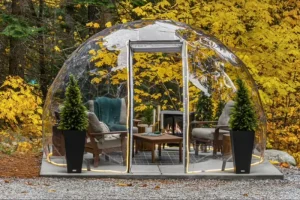
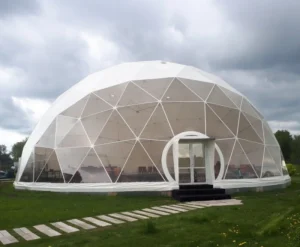
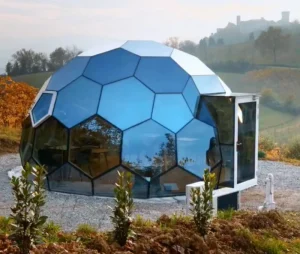
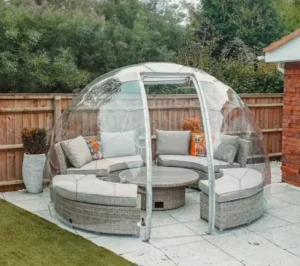
When you decide to purchase a dome tent, you’ll face common challenges in choosing a dome tent manufacturer. Many suppliers are available on the market, but their products differ in price, quality, and service. How can you choose the best and most suitable manufacturer? This is a concern for many investors making purchasing decisions.
Below, from a procurement perspective, we will detail some key factors you need to understand before choosing dome tent manufacturers. We will also provide some purchasing suggestions to help you choose the right manufacturer and obtain a high-quality dome tent.
Why Choosing the Right Dome Tent Manufacturer is Important
A dome tent is a semi-permanent structure, and the quality you choose directly affects its lifespan. Therefore, you need to consider many aspects, including materials, structure, safety standards, installation, and maintenance. If you choose an unprofessional dome tent manufacturer and purchase a low-quality product, you may encounter the following problems during use:
Quality and safety issues: Inferior steel structures or glass membrane materials may lead to a short service life, easy damage, and even safety risks in extreme weather conditions.
Unreasonable design: Manufacturers without customization capabilities may not be able to provide suitable sizes and layout solutions based on the site, purpose, and number of people.
Construction and delivery problems: Some manufacturers have limited transportation and installation capabilities, which may lead to delayed delivery or complex on-site installation.
Difficult after-sales service: Inadequate after-sales service, lack of materials and parts, or inability to provide timely repairs will increase project costs and troubles.
Therefore, before placing an order, fully understanding the capabilities and limitations of dome tent manufacturers is a crucial prerequisite for successful procurement.
Key Factors You Must Understand Before Purchasing
When you are ready to purchase a dome tent, you need to consider the following factors when choosing dome tent manufacturers:
Manufacturer Qualifications and Experience
First, you need to focus on the manufacturer’s qualifications and industry experience. Experienced manufacturers with many years of operation usually have complete production processes and quality management systems, which can guarantee product quality and delivery time. They can also provide customized services to meet different site and climate conditions.
You can assess the manufacturer’s strength in the following ways:
- Check the company’s establishment time and industry experience to understand whether they have the ability to handle large projects.
- Examine large project cases, especially those similar to your planned activity or site type. Successful cases often reflect the manufacturer’s actual execution capabilities.
- Pay attention to customer reviews and third-party evaluations to understand the manufacturer’s reputation and service level through genuine feedback.
If possible, you can visit the factory or showroom in person and request on-site photos or customer feedback, which will help you more intuitively assess the manufacturer’s capabilities.
Materials and Structural Standards
The safety and lifespan of a dome tent largely depend on the choice of its frame materials and covering materials. Different dome tent manufacturers have differences in materials and structural design, which directly affect the stability, durability, and user experience of the dome. Understanding common material standards and their advantages and disadvantages on the market can help you avoid pitfalls during procurement.
For small or lightweight dome tents, the frame usually uses the following materials:
- Aluminum alloy frame: Lightweight and corrosion-resistant, commonly using 6061 or 6063 aluminum, with a wall thickness generally between 1.5–3 mm. Advantages include light weight, ease of transportation and installation, and generally able to withstand wind speeds of 80–100 km/h. Disadvantages include limited load-bearing capacity, making it unsuitable for large-diameter domes or extreme weather conditions.
- Steel pipe frame: Usually uses galvanized steel or powder-coated steel pipes, with a diameter of 38–60 mm and a thickness of 1.2–2.5 mm. Advantages include strong load-bearing capacity and good wind and snow resistance, suitable for domes with a diameter of 10–20 meters or more. Disadvantages include heavy weight, requiring professional transportation and installation teams.
- Lightweight composite materials or reinforced plastic frames: Some portable domes use FRP (fiber-reinforced plastic) or high-strength composite materials. Advantages include light weight and corrosion resistance; disadvantages include limited wind resistance, generally only suitable for small displays or temporary events.
Covering Materials
The membrane or glass of the dome directly affects light transmission, heat insulation, and weather resistance:
- PVC membrane: PVC tent fabric with a thickness of 650–900 g/m² is commonly used, with a moderate price, good waterproof and UV resistance, but limited light transmission.
- ETFE membrane: Lightweight transparent membrane material with a light transmittance of up to 95%, strong UV resistance and corrosion resistance, suitable for high-end landscape or glamping projects.
- Low-E glass or tempered glass: Offers good light transmission and strong heat insulation, reducing glare and the greenhouse effect. Suitable for high-end, permanently fixed dome structures, but it is more expensive and has higher transportation and installation costs.
When choosing materials, you should not only consider the cost but also whether the manufacturer adheres to ASTM, European standards, or local building codes. These standards provide references for wind and snow resistance, durability, and safety, and can help you assess the manufacturer’s professionalism.
In short, when purchasing a dome tent, you should consider the frame material, membrane or glass performance, and structural design standards to ensure the product is stable, safe, and durable.
Customization Capabilities and Design Support
When choosing a dome tent manufacturer, you also need to consider its design and customization capabilities. Many investors who purchase dome tents may need them for commercial purposes, which may require printing their logo, choosing the color of the tent fabric, or even decorating the interior of the tent. Therefore, having strong customization capabilities can help you solve all these problems and allow you to get exactly what you want in one go.
Some experienced manufacturers will provide a 3D model design of your product before production, allowing you to have a visual understanding of the overall effect and confirm whether it meets your needs. This is very important for you, as it can prevent you from choosing the wrong size and encountering problems with unsuitable dimensions later on.
Delivery Time and Logistics
When purchasing a large dome tent, you also need to consider logistics and delivery time. Generally, experienced dome tent manufacturers have a customized production cycle of 3-8 weeks, and they will choose safer logistics companies to reduce transportation risks.
After-Sales Service and Warranty
When choosing a dome tent, after-sales service is an important criterion for judging the reliability of the manufacturer. A good dome tent manufacturer will provide a clear warranty for the frame, membrane or glass, and connectors, usually for 1-3 years. They will also provide installation and maintenance manuals, regular inspections, or remote technical guidance to ensure you receive timely support during use.
Spare parts supply is also an indispensable part of after-sales service. High-quality manufacturers usually guarantee the long-term supply of vulnerable parts at reasonable prices, avoiding additional costs due to lack of parts in the future. Before signing a contract, it’s crucial to clarify after-sales terms and warranty coverage to ensure clear responsibilities and avoid future disputes or additional costs.
What are the common misconceptions and risks in purchasing dome tents?
Even if you understand the manufacturer’s qualifications, material standards, customization capabilities, and after-sales service, you may still encounter problems when purchasing a dome tent. If you’re not careful, some seemingly minor issues can ultimately lead to project delays, increased costs, or even safety hazards. Below are some common misconceptions and practical suggestions:
Focusing only on price
Many buyers’ first reaction when choosing dome tent manufacturers is to compare prices. Low prices are indeed tempting, but they often mean insufficient material thickness, inadequate frame strength, or poor quality membrane materials.
The costs saved initially may lead to high repair costs later, or even safety risks in windy or rainy weather. Especially for large domes or high-end transparent designs, if the materials are substandard, it can damage the membrane or glass, or even affect structural stability.
Therefore, when evaluating quotations, you should prioritize material specifications, process standards, and safety performance, not just the price. High-quality domes will provide greater value in terms of service life, comfort, and safety.
Ignoring manufacturer experience
Newly established or small manufacturers may have a price advantage, but a lack of practical project experience can easily lead to unreasonable designs or construction problems. For example, on-site layout that doesn’t meet event needs, mismatched dome and ground foundations, or a lack of professional arrangements in logistics and transportation can all affect the smooth execution of the project.
You should prioritize dome tent manufacturers with extensive case studies and long-term operational experience. Review their completed project photos, customer reviews, and construction site records, and if necessary, conduct on-site inspections to understand the manufacturer’s overall execution capabilities.
Underestimating installation difficulty
The installation of large dome tents is not a simple construction process; it involves structural splicing, membrane stretching, foundation fixing, lighting, and supporting facility arrangements. Ignoring installation support or underestimating the required construction time and number of professional personnel may lead to project delays or safety accidents. Especially for temporary events or pop-up projects, the construction cycle and efficiency directly relate to the success or failure of the project.
Therefore, you need to choose a manufacturer with a professional installation team or installation guidance to help you avoid problems during the installation process and save manpower and time.
Ignoring After-Sales Service
Even if the dome construction goes smoothly, problems may arise during later use: membrane wear, glass scratches, frame loosening, or accessory damage. If the manufacturer does not have clear after-sales guarantees or spare parts supply channels, high repair costs and long repair times will put significant pressure on event operations.
Before purchasing, you must clarify the warranty scope, maintenance support, and spare parts supply situation. Clearly state the after-sales terms in the contract to avoid future disputes.
A reliable dome tent manufacturer will usually provide installation manuals, regular inspection services, or remote technical guidance to ensure your continued use.
How to Evaluate the Reliability of a Dome Tent Manufacturer
When choosing dome tent manufacturers, reliability is the most critical factor. A trustworthy manufacturer can not only deliver high-quality products on time but also provide comprehensive after-sales support to ensure the smooth progress of your project. When evaluating reliability, you can consider the following aspects:
1.Review Actual Project Cases and On-Site Photos
Actual cases are an important basis for judging a manufacturer’s strength. Through project photos, you can intuitively understand the overall effect of the dome, including structural stability, membrane or glass quality, and design aesthetics. The more cases a manufacturer has, the more experience they have accumulated in different venues and climate conditions, and the better they can handle complex needs.
2.Examine Customer Reviews and Feedback
Customer experience is often more authentic than advertising. Actively contact previous customers to understand their experience after using the dome, such as installation efficiency, material durability, and after-sales service response speed. This can help you judge the manufacturer’s service level and credibility.
3.Material and Process Standards
Materials and processes directly affect the safety and service life of the dome tent. Requesting the manufacturer to provide material certificates, process descriptions, and relevant test reports can ensure that key components such as the frame, membrane, or glass meet safety standards, avoiding potential risks caused by low-quality materials or non-standard processes.
4.After-Sales Terms and Support
Comprehensive after-sales support can reduce usage risks. Focus on the warranty scope, maintenance cycle, and availability of vulnerable parts. This is especially important for long-term use or high-end event projects, as it can help you avoid additional repair costs and operational risks.
By comprehensively considering cases, customer feedback, materials and processes, and after-sales service, you can form a clear judgment on the overall strength and reliability of dome tent manufacturers, thus avoiding blind purchases and ensuring the smooth implementation of your project.
Conclusion
Choosing a dome tent manufacturer is not simply about comparing prices; it’s a comprehensive consideration of quality, service, delivery, and long-term value. Understanding the manufacturer’s qualifications, material standards, customization capabilities, delivery time, and after-sales support will help you avoid detours and reduce risks in your project.
If you are looking for high-quality, reliable dome tents or customized solutions, Gaxdome can provide you with professional services. From design and material selection to manufacturing, installation, and commissioning, we offer a one-stop solution to ensure the smooth implementation of your wedding, cultural tourism project, or luxury camping project, while guaranteeing long-term stability and safety.
Choosing the right dome tent manufacturer not only ensures the successful completion of your project but also brings higher brand value and user experience to your event and space. With proper research and planning, your dome tent project is sure to be a success.