As outdoor travel continues to trend globally, many entrepreneurs are turning their attention to building a glamping resort in warm, sun-soaked regions. From deserts to tropical beaches, hot climates offer a strong visual appeal, long tourist seasons, and a chance to deliver unique, luxury outdoor experiences.
But operating a glamping resort in high-temperature environments requires thoughtful design, durable materials, and smart cooling strategies. In this guide, we explore how to set up a successful, sustainable glamping resort that thrives in hot weather—while keeping guests cool and comfortable.
Why Hot Regions Work Well for Glamping
Hot climates attract travelers with their breathtaking landscapes, consistent weather, and adventure tourism potential. Whether your resort is in southern Spain, Arizona, the Middle East, or coastal Thailand, the benefits are clear:
Extended operational seasons
Lower rainfall risk
Increased solar energy potential
Exotic natural surroundings
With the right infrastructure and planning, these conditions can be transformed into profitable and memorable guest experiences.
Choosing the Best Structure: Dome Tents
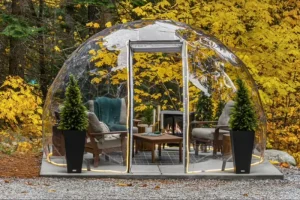
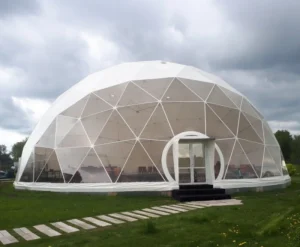
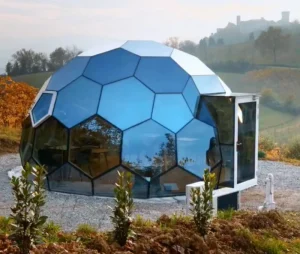
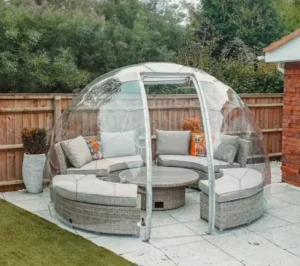
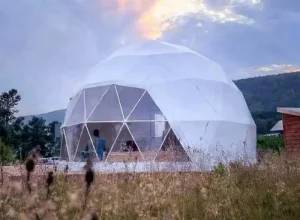
When building in hot weather, your structure matters. A dome tent is one of the most effective architectural solutions for warm climates. Thanks to their aerodynamic design, geodesic domes promote airflow, resist wind, and can be customized for heat resilience.
When sourcing a dome tent for your glamping resort, look for:
UV-resistant covers to reduce solar penetration
Light-colored membranes that reflect sunlight
Openable windows and vents for improved air circulation
Optional shading over skylights to balance light and temperature
These features help maintain a cool interior even under direct sun.
Maximize Natural Ventilation
In hot regions, airflow is essential. Avoid heat buildup by selecting tents with:
Multiple mesh windows
Ceiling vents for hot air release
Large front openings or zip walls
Elevated positioning to capture breezes
The layout of your dome tents should also take advantage of wind direction and shaded areas to enhance natural cooling.
Combine Passive and Mechanical Cooling
Passive strategies are ideal for eco-conscious operations. These include:
Double insulation layers inside the dome
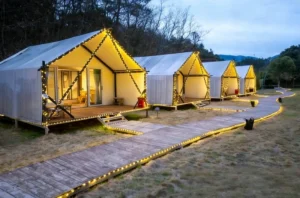
Raised wooden platforms to avoid ground heat
Thermal blinds or curtains to block direct sun
Shade structures like pergolas or sail canopies
When passive methods aren’t enough, supplement with energy-efficient cooling such as solar-powered fans, misting systems, or compact AC units.
Material Matters: Furnish for the Heat
Furnishings and finishes should handle UV exposure and temperature swings. Choose materials like:
Bamboo and teak for durability
Light-toned fabrics that reflect heat
All-weather outdoor seating
Rugs and floorboards designed for high-heat resistance
Stick to breathable, minimal designs that match the natural environment and improve guest comfort.
Shade and Landscaping Strategy
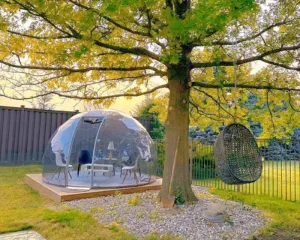
Even in the desert, landscaping can play a big role in thermal comfort. Plant native trees or fast-growing bushes near dome tents to provide natural shade and reduce surrounding temperature. Use gravel or decking instead of heat-retaining concrete or asphalt for walkways and patios.
Glamping Resort Enhancing Guest Experience in Warm Weather
Guests in warm climates often value comfort-focused amenities. Enhance your glamping resort with:
Outdoor showers with privacy screens
Shaded lounging areas with hammocks
Natural swimming ponds or small pools
Welcome kits with cooling towels or reusable fans
Solar-powered device charging and lighting
These thoughtful extras go a long way in boosting satisfaction and encouraging repeat visits.

Sustainability Opportunities in Sunny Regions
Hot, sunny environments are perfect for eco-friendly glamping. Leverage solar power for electricity and hot water. Use composting toilets, rainwater collection, and greywater recycling to reduce your environmental footprint.
A well-planned glamping resort in a hot climate doesn’t just succeed economically—it becomes a model of sustainability and innovation.
Final Thoughts
Building a glamping resort in hot climates comes with its own set of considerations, but the opportunities are vast. With strategic planning, well-ventilated dome tents, and a commitment to comfort and sustainability, you can create a destination that attracts high-value travelers and operates year-round.
From the structure you choose to the layout you design, success lies in attention to detail and respect for the environment. Embrace the heat—and turn it into your resort’s greatest asset.