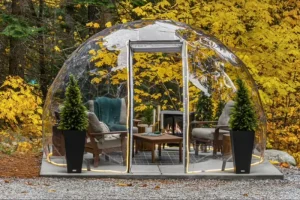
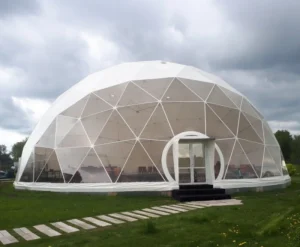
Glamping dome cost vary widely depending on type, size, material, and level of customization. Framed geodesic domes typically range from $3,000 to $30,000 and are suitable for long-term stays and high-end campsites; frameless inflatable bubble domes are more affordable, typically costing $200 to $3,000, and are ideal for temporary events or recreational areas.
Introduction
If you’re considering starting a glamping business or adding an eye-catching dome to an existing campsite, you’ll likely be wondering, “How much does a glamping dome cost?” This question isn’t just about the purchase price; it also includes factors like return on investment, maintenance costs, and long-term operating costs.
This article will provide a comprehensive breakdown of glamping dome price ranges, cost components, and selection recommendations to help you make an informed investment decision while understanding the investment costs and potential profit opportunities.
What is a glamping dome?
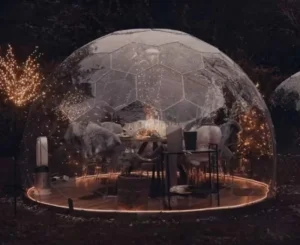
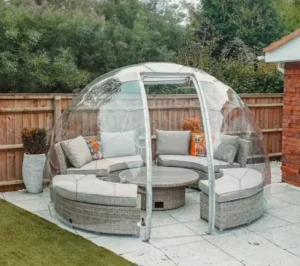
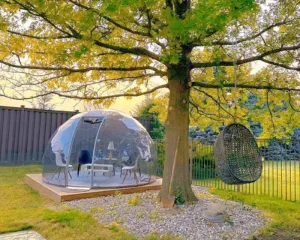
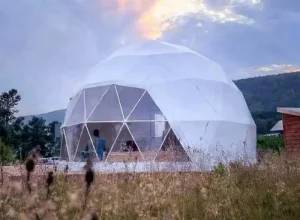
Glamping domes, also known as yurts, are designed to provide a unique and comfortable outdoor accommodation experience. They are typically hemispherical or spherical in shape, supported by a sturdy yet lightweight triangular frame, making them both stable and suitable for outdoor use. For venues requiring quick setup, there are also frameless inflatable bubble domes, which maintain their shape through air and can be quickly deployed anywhere.
This unique structure not only provides a safe and secure accommodation but also offers aesthetic appeal.
For those seeking a unique and luxurious experience, a dome tent is a key element to enhance your campsite’s appeal.

Glamping Dome Cost Range
Glamping dome tents range widely in price, from budget-friendly to high-end custom designs.
Typically, framed geodesic domes cost approximately $3,000 to $30,000, depending on size, material selection, and customization options. Frameless inflatable domes are relatively more affordable, typically ranging from $200 to $3,000. They’re suitable for event spaces or temporary use, but aren’t recommended for long-term accommodation.
If you calculate by square footage, the cost per square foot ranges from approximately $15 to $200. The price difference is primarily influenced by the materials used, the complexity of the structure, shipping and installation costs, and additional features such as windows, door frames, ventilation, and interior finishes.
Beyond the acquisition cost, you also need to consider the construction costs of your glamping campsite, including foundation construction, electrical and plumbing installation, permit applications, and infrastructure investment. These hidden costs often represent a significant portion of the total investment, but they are crucial to the overall campsite experience and long-term profitability.
Factors Affecting Glamping Dome Cost
The Impact of Size on Price
The glamping dome cost depends not only on the brand and model, but also on the size of the dome. A standard glamping dome typically has a diameter between 5 and 8 meters, covering approximately 19 to 50 square meters. Generally speaking, larger domes require more materials and a more complex frame structure, resulting in higher costs. If you desire more spacious accommodations or display areas, budget for these additional expenses.
The Impact of Material Choice on Cost
The material used for the dome’s frame and roof significantly impacts the price. For frames, aluminum frames are lightweight and corrosion-resistant, but are more expensive. Steel frames are sturdy and economical, but are heavier and may be more expensive to transport and install. There are several roof material options:
- PVC fabric: Lightweight, economical, and easily customizable, but slightly less durable.
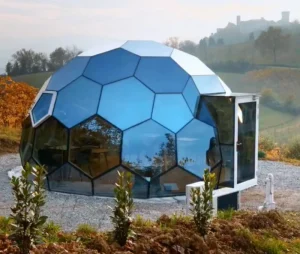
- Glass: Highly transparent, offering excellent views, but expensive and challenging to transport and install.
- Polycarbonate: Durable and lightweight, moderately priced, and a common choice for many glamping domes.
Custom Design Increases Investment
If you want to provide your guests with a unique and luxurious experience, custom design is essential. You can add more windows, thicker insulation, or customize the interior with unique features like wallpaper, carpeting, furniture, and lighting.
This not only enhances the visual appeal and comfort of your campsite, but also increases long-term guest satisfaction. However, such customizations can significantly increase the overall investment in a dome, so they need to be factored into your budget.
Maintenance Costs Need to Be Planned Ahead
Beyond the initial purchase cost, you also need to consider the ongoing maintenance costs of your glamping dome. Over time, cleaning the canopy, waterproofing it, inspecting the frame, and minor repairs are essential.
These costs accumulate as the number and size of your campsites increase, so it’s important to factor in long-term operating costs when planning your budget.

Comparing the Cost of Glamping Domes with Other Tent Types
Glamping domes offer a good balance of price, functionality, and aesthetics compared to bell tents, glamping tents, yurts, or tipis.
Bell Tents: Bell tents are a classic entry-level option, typically priced between $500 and $10,000. Their elegant appearance and relatively simple setup make them ideal for small camps or short-term events on a budget. However, due to their limited space and limited weather protection, bell tents are not suitable for long-term use or challenging weather conditions.
Glamping Tents: Glamping tents are typically larger and more substantial, with prices ranging from $5,000 to $60,000. They are suitable for mid- to high-end glamping projects and can be customized for enhanced comfort. While glamping tents are more complex to set up and may require more labor and site preparation, they offer a more stable and spacious accommodation, making them suitable for long-term camps.
Yurts: Yurts are traditional round tents that offer stability and flexibility, costing approximately $5,000 to $50,000. While suitable for short- or long-term use, they can be difficult to set up and move. While distinctive, their visual appeal may be somewhat traditional compared to modern tent designs, which may not suit the aesthetic requirements of all high-end campsites.
Teepee: Teepees stand out among glamping tents with their unique conical shape and natural style, typically costing between $1,000 and $20,000. They are easy to set up and suitable for nature-themed campsites, but they offer limited space utilization and less flexibility for additional amenities.
Compared to the above tent types, glamping dome tents offer a good balance of price, functionality, and visual aesthetics. They not only provide a comfortable, high-end accommodation experience, but also stand out in campsite layout and landscaping. Whether creating a unique luxury experience for your guests or ensuring long-term return on investment, dome tents are an ideal choice.
Hidden Costs of Glamping Domes
Beyond the buying glamping dome cost, there are several hidden costs to consider when investing in a glamping dome that can directly impact your overall budget and campsite operations. Transportation and Installation: Large or custom domes typically require professional transportation and erection services. Transportation costs vary depending on the distance and size of the dome and can range from a few hundred to several thousand dollars; installation costs vary depending on complexity and labor costs.
Land and Foundation: If you don’t own land, you may need to pay for land leases or grading. Foundation construction, including grading, moisture-proofing, and drainage, costs approximately $500–5,000. A solid foundation extends the lifespan of the dome and ensures long-term operational stability.
Permits and Approvals: In some areas, building domes require building permits or permits, which can cost from tens to thousands of dollars. Understanding local regulations in advance can help avoid fines or work stoppages.
Ongoing Maintenance: Regular cleaning, waterproofing, and minor repairs are essential maintenance tasks, costing approximately $100–1,000 per dome annually. These expenses can accumulate if you have multiple domes at your campsite.
Return on Investment and Payback Period for Glamping Domes
When considering investing in a glamping dome, the primary question is often, “When will I recoup my investment?” This depends not only on the price of the dome itself, but also on the camp’s operational strategy, market demand, and occupancy rates.
First, you need to have a clear understanding of the investment cost and potential returns. A standard framed dome costs between $3,000 and $30,000, while a frameless inflatable dome may only cost $200 to $3,000. Add to this the hidden costs of transportation, installation, foundation construction, and long-term maintenance.
Next, estimate your returns. If your camp can maintain a high occupancy rate, charging $150 to $300 per night for each glamping dome, and assuming a 50% to 70% occupancy rate year-round, your annual revenue could be between $10,000 and $30,000. Obviously, a high occupancy rate will significantly shorten the payback period, while a low occupancy rate means it will take longer to recoup your investment. Additionally, you need to consider the difference between off-season and peak season, holiday premiums, and the added revenue from additional services (such as breakfast, stargazing experiences, or private events). By optimizing pricing and improving the guest experience, you can not only shorten your payback period but also increase overall revenue, maximizing your return on investment.
In general, if your site is well-located and offers excellent service, the payback period for a glamping dome is typically around 1–3 years, making it not only an attractive accommodation option but also a profitable asset worth maintaining in the long term.
How to Reduce the Construction and Operating Costs of a Glamping Dome
If you are planning a glamping dome, reducing construction and operating costs is a top priority for every campsite owner. However, with proper planning and smart selection, you can significantly save money while still ensuring a great guest experience.
Choose the dome type based on the intended use: Not every dome requires top-tier materials. If you are planning to use it for accommodation, a framed geodesic dome is sturdy and comfortable, suitable for long-term operation. For activity areas or photo spots, a lightweight, frameless bubble dome is quick and inexpensive to set up. Properly configure the dome based on the intended use to avoid waste. Buy directly from the manufacturer: Bypass dealers and purchase directly from the manufacturer, you can reduce middleman profit margins and receive better pricing and customized services. You’ll also receive installation guidance and after-sales support, reducing ongoing maintenance costs.
Phase-based investment: You can purchase a small number of high-quality domes to test the market before gradually expanding your camp. This stays within your budget and reduces financial risk.
Energy-saving and sustainable design: When purchasing, consider insulation, ventilation, and shading to reduce air conditioning and heating costs. Installing solar panels and high-efficiency equipment can also save on electricity and enhance your environmental image.
Meticulous care and maintenance: Regularly inspecting the canopy, waterproofing, and frame, and promptly repairing minor damage, can extend the life of your glamping dome. Understanding the construction process before setting up can also reduce the risk of damage.
Conclusion
Glamping domes are more than just a means of accommodation; they’re an investment. They combine comfort, visual appeal, and flexibility, bringing a high-end experience to your campsite while striking a balance between cost and return. With the right design, size, materials, and configuration, your glamping dome project can become a significant attraction that attracts visitors and boosts revenue.
Whether you’re just starting out or looking to enhance your existing campsite, understanding the price, investment, and long-term maintenance costs of glamping domes will help you make an informed decision and differentiate your campsite from other glamping options.