Garden office pod cost typically between $5,000 and $60,000+, depending on the structure type, size, material quality, and whether it’s designed for year-round use.
Different Types + Sizes + Price Ranges Table
| Garden Office Pod Type | Common Area / Size | Typical Price Range |
|---|---|---|
| Modular Box Garden Office | 6㎡ (≈2m × 3m) | $5,000 – $10,000 |
| Modular Box Garden Office | 9–12㎡ (≈3m × 3m – 3m × 4m) | $8,000 – $18,000 |
| Modular Box Garden Office | 15–20㎡ | $15,000 – $25,000+ |
| Cabin-level High-end Garden Office | 8–12㎡ | $15,000 – $30,000 |
| Cabin-level High-end Garden Office | 12–20㎡ | $25,000 – $45,000 |
| Cabin / Residential-level Experience | 20㎡+ | $40,000 – $60,000+ |
| Dome / PC Dome Office Pod | Diameter 3–4m (≈7–12㎡) | $3,000 – $8,000 |
| Dome / PC Dome Office Pod | Diameter 5–6m (≈20–30㎡) | $8,000 – $25,000+ |
Including transportation, installation, foundation construction, electricity and network access, and interior furnishings, the overall usable cost is usually 10%–40% higher than the product price.
What is a “Garden Office Pod”?
A garden office pod is a small, modular office building independently situated in a courtyard, garden, or outdoor space. It typically features an aluminum alloy structure, insulated wall panels, double-glazed windows, and a good thermal and sound insulation system, providing a relatively independent and comfortable working environment. It allows users to have a stable, quiet, and professional office space without altering the main structure of their home.
Garden office pods can be used as remote offices, or expanded into creative studios, meeting spaces, or private study rooms. They are characterized by short construction periods, portability, controllable costs, and flexible use, making them a popular new outdoor office solution for modern families and businesses in the context of the “remote work” and “hybrid work” trends.
Its most obvious features are quite intuitive:
It needs to be comfortable enough; it shouldn’t be something only usable for two months in the summer and then left as a mere decoration for the rest of the year. You need to be able to sit in it all day, working, thinking, and having video conferences, without enduring stuffiness or cold.
It needs to be quiet and stable; at the very least, it shouldn’t creak and groan with every gust of wind, and the computer screen shouldn’t shake when someone walks by.
It needs to have relatively complete functionality, including basic electricity, basic lighting, and reasonable ventilation and insulation, rather than being a “not-quite-professional but barely usable” space.
What are the common architectural forms of garden office pods?
In the residential sector, garden office pods can be broadly divided into three main structural types, which differ significantly in appearance, user experience, and positioning, forming a complete spectrum.
Modular Box Office Pods
The garden office pod that most people first imagine is likely this type of structure. A square space, with balanced proportions and a clean appearance, and a clear internal layout, it can accommodate a desk, office chair, and computer equipment, looking like a miniature office.
It’s neither as “crude” as a temporary shed nor as “holiday-like” as a small cabin; it’s more of a rational, stable workspace.
This structure usually uses a wood or light steel frame, with insulation added to the interior walls, and is complemented by appropriate wall finishes and window designs. From functionality to comfort, it perfectly meets daily office needs. Walking into such an office pod, you usually won’t feel like you’re in a “temporary building,” but rather in a small, functionally defined office.
The biggest advantage of modular box office pods is their balance: sufficient comfort, controllable construction, and stable costs, making them the most popular solution in the residential market and the first choice for most families.
Prefabricated Cabin Office Pods
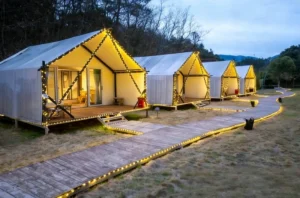
The first impression of a cabin-style office pod is usually not that of a “tool,” but rather a part of the garden landscape. Clean lines, exquisite proportions, and a strong sense of design, even possessing a touch of residential architecture. This type of office pod uses higher-quality materials, has a solid structure, and features high-level exterior walls, window and door systems, and insulation and soundproofing. It’s also highly customizable – the spatial layout, interior decoration, window proportions, and lighting methods can all be designed according to your needs.
The Cabin office pod is suitable for year-round use; it’s not freezing in winter and not stuffy in summer, and the interior environment is more like a real small house. Families who choose it usually consider it a long-term asset, serving not only their office needs but also becoming part of their garden environment and family life.
Dome-shaped Office Pods
Compared to the two rational and regular office spaces mentioned earlier, the dome-shaped office pod is undoubtedly more individualistic.
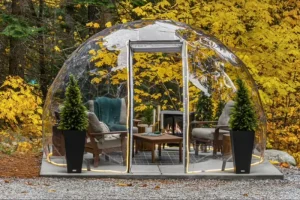
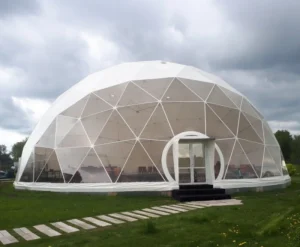
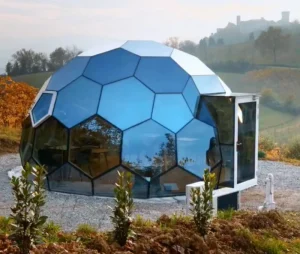
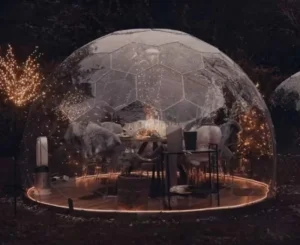
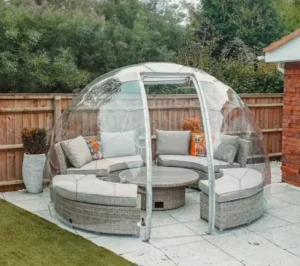
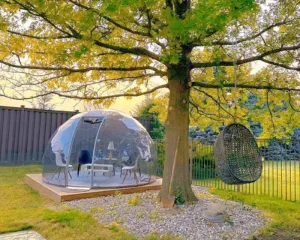
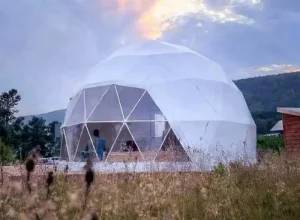
The circular or hemispherical structure stands out in the garden and easily becomes a visual focal point. Stepping into the dome space, the internal feeling is completely different; there are no corners, making it more open and giving a greater sense of enclosure. Some domes use transparent or translucent materials, allowing light to enter the space softly, creating a unique atmosphere.
Dome-shaped office pods are usually not designed for traditional office efficiency, but rather for creative work, thinking spaces, or creating a studio atmosphere. They emphasize experience and inspiration, rather than standardized office rules. Although not mainstream, they are very suitable for users who pursue individuality and creativity.

How much do different architectural styles of garden office pods cost?
Once the structure is determined, we can use price logic to understand the market range. The price difference between different types of office pods is mainly affected by size, materials, degree of customization, and comfort level.
Modular Box Office Pod Price Range
- Small size (approximately 6–10 square meters): $6,000 – $15,000 USD
- Medium size (approximately 10–15 square meters): $12,000 – $22,000 USD
Prices will fluctuate depending on the grade of materials, window specifications, and insulation/soundproofing upgrades.
The price of modular box office pods is relatively stable and highly predictable, making them the most easily accepted option in the residential market.
Cabin-Type Office Pod Price Range
- Classic Cabin Series (approx. 10–15 square meters): $18,000 – $35,000 USD
- High-end configuration and premium building materials (approx. 15–25 square meters): $30,000 – $55,000+ USD
Prices may exceed this range if custom facades, large glass areas, or smart comfort systems are added. Cabin office pods are more expensive, but they offer a more comfortable, year-round usable work environment.
Dome-Type (PC Dome) Office Pod Price Range
- Small Dome (approx. 8–12 square meters / diameter approx. 3–4m): $5,000 – $15,000 USD
- Medium to Large Dome (approx. 15–25 square meters / diameter approx. 4–6m): $12,000 – $30,000+ USD
Prices may exceed this range if high-performance transparent PC panels, structural reinforcement, large span openings, or interior decoration are used. Dome-type office pods have a wider price range, but offer significant experiential and aesthetic value.
Three Types of Structures + Price Logic Relationship
| Type | Main Positioning | Area Reference | Price Range (USD) |
|---|---|---|---|
| Modular Box Office Pod | Practical, Mainstream | 6–15㎡ | $6,000 – $22,000 |
| Cabin Office Pod | Comfortable, Long-term Use | 10–25㎡ | $18,000 – $55,000+ |
| Dome Office Pod | Experiential, Strong Design Sense | 8–25㎡ | $5,000 – $30,000+ |
In this way, readers can intuitively understand the relationship between structure type, intended use, and price, providing a reference for further selection and budget planning.
Besides the “house itself,” what other costs will affect the total price?
Many people only focus on the price of the product itself when looking at garden office pods, but in reality, this is only a part of the overall cost. When actually put into use, there will be some additional costs involved:
Transportation Costs
Transporting the office pod from the factory or warehouse to your garden will incur costs depending on the distance, size, and transportation method:
- Small office pod (6–10㎡): Approximately $300 – $1,000
- Medium office pod (10–20㎡): Approximately $800 – $2,000
- Large or custom-made: May exceed $2,500
Installation and Labor Costs
Including on-site assembly, installation of doors and windows, structural fixing, etc.:
- Modular office pod: Approximately $1,000 – $3,500
- Cabin / High-end custom-made: Approximately $2,500 – $6,000
- Dome-shaped / Complex structure: Approximately $2,000 – $5,000
Foundation Construction
If a foundation or load-bearing platform (such as a concrete slab or wooden platform) is required, the cost will depend on the complexity of the construction:
- Simple wooden platform or concrete blocks: Approximately $500 – $2,000
- Full concrete foundation or damp-proof base: Approximately $2,500 – $6,000
Utilities and Office Equipment
Electricity and network access for the office pod, as well as desks, chairs, storage equipment, etc.:
- Power access and lighting wiring: Approximately $500 – $2,000
- Network wiring and Wi-Fi extension: Approximately $200 – $1,000
- Office furniture (desks, chairs, storage cabinets): Approximately $500 – $3,000
If you only consider the product price and ignore these implementation costs, it’s easy to underestimate the overall project budget. Generally, implementation costs may account for 20%–40% of the total cost. Including transportation, installation, foundation, and utility costs in advance will allow for a more accurate overall budget plan for your garden office pod.
What are the differences in user experience between different structures with the same budget?
Even with the same budget, office pods with different structures will have vastly different user experiences:
- Modular box-shaped office pod: Comfortable and stable, with a regular layout, suitable for full-time work and daily use.
- Cabin-type office pod: Provides long-term comfort, with a more sophisticated interior design and visual effect, suitable for families who value quality.
- Dome-shaped office pods: Offering a superior experience and creative atmosphere, more suitable for half-day work or flexible use, emphasizing spaciousness and inspiring creativity.
When making a choice, you need to consider your usage frequency, working style, and comfort needs, not just the price.
How do you determine how much you should spend?
Many people considering garden office pods look directly at the price list without knowing where to start planning. A practical approach is to start with your needs and work backward to determine the budget. This way, you won’t run out of budget or waste money by over-specifying.
First, consider the frequency of use. Do you need to use the office pod every day, or only on weekends or occasionally? For frequent use, a more comfortable and soundproof building structure is necessary, while for occasional use, a basic configuration is sufficient.
Next, consider the lifespan. Do you want to use it year-round, or only during the warmer seasons? Year-round use means the building needs better insulation and waterproofing, and you may also need to consider heating and air conditioning systems. For seasonal use, you can choose a relatively lightweight and lower-cost structure.
Then, combine the first two factors to determine the structure type. For daily and year-round use, a modular box-type office pod or a high-end cabin-type office pod would be more suitable; if it’s only for flexible or half-day use, the creative experience of a dome-shaped office pod will meet your needs.
Finally, based on the above needs, determine a reasonable budget range. By considering the price of the building itself and the installation costs (transportation, installation, foundation, utilities, furniture), you can get a complete and actionable budget plan. By planning in this order, you can clearly know how much you should invest and ensure that every penny is spent where it’s truly needed.
This way, choosing an office pod is no longer just about the price, but about making the smartest decision based on actual usage scenarios, comfort, and long-term value.
Conclusion
There is no single price for garden office pods because there is no single structure.
Price is closely related to the building form; clarifying your needs and structure type makes the price meaningful.
The ideal office pod is not the cheapest or the most expensive, but the one that best suits your daily use and home environment.
If you want to plan further, you can start from three aspects: purpose, comfort, and budget, to find the most suitable office pod solution for your garden.
FAQs about garden office pods
1. Are garden office pods worth buying?
Garden office pods are worth considering, especially for those who need a quiet, independent workspace. They can improve work efficiency, avoid family distractions, and provide a more comfortable environment than indoor renovations. For long-term remote workers, creative professionals, or freelancers, it’s a reliable long-term investment.
2.Is building a garden office pod yourself cheaper?
Building it yourself might save on material costs, but you need to consider design, construction, safety, and electrical wiring. Lack of experience can easily lead to construction delays or extra expenses. Therefore, for most families, choosing a prefabricated office pod is more convenient, although the initial price is slightly higher, it’s more reliable in the long run.
3.Do outdoor office pods require a foundation?
Most outdoor office pods are recommended to have a foundation or platform to ensure structural stability, moisture resistance, and a long service life. The foundation can be a wooden platform, concrete blocks, or a complete foundation, depending on the size, weight, and ground conditions of the office pod. Without a foundation, the structure may shift or be damaged, especially in windy or humid areas.
4.Do office pods require a building permit?
Whether a permit is required depends on local regulations, the size of the office pod, and its degree of permanence. Small or movable office pods usually don’t require a permit, but large, fixed office pods, especially those with electricity or plumbing, require a building permit or planning permission in advance. It’s recommended to consult with your local municipal authorities before construction to avoid violations or fines.