Introduction
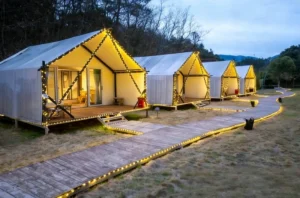
The travel industry has rebounded strongly after the pandemic, with travelers seeking unique and immersive experiences. One of the fastest-growing trends is glamping – a fusion of “glam” and “camping” that offers outdoor luxury without sacrificing comfort. With the rise of short-term rentals and experiential travel, glamping offers lucrative business opportunities for entrepreneurs and established hotel brands.
Market and Competition
Glamping has evolved from a niche trend to a mainstream product, with major hotel chains entering the market. Marriott has launched glamping tents, Hawks Camp offers high-end outdoor retreats, and Atlantis Paradise Island has overwater bubble domes. The surge in competition means that companies must innovate to capture market share.
Choosing a business model
There are several ways to enter the glamping industry:
Hotel add-ons – Existing resorts can expand glamping units to attract nature-loving guests.
Independent companies – Entrepreneurs can open independent glamping sites in scenic locations.
Pop-ups – Temporary facilities set up at festivals or seasonal destinations offer flexibility.
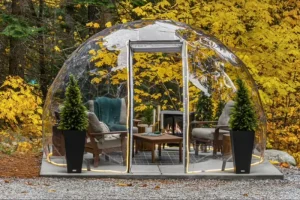
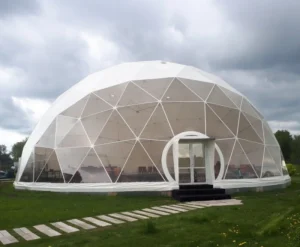
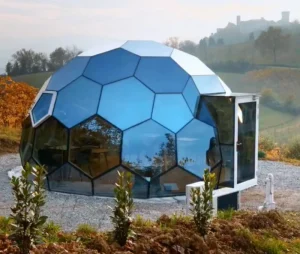
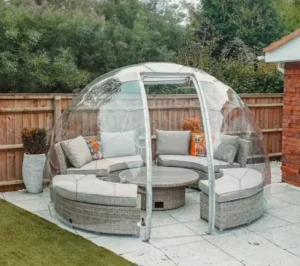
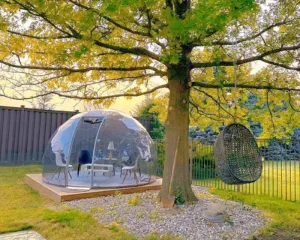
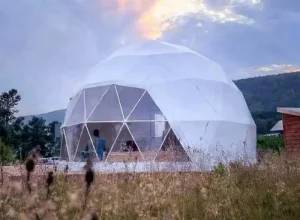
The key is differentiation—whether through unique accommodations (treehouses, geodesic domes) or curated experiences (stargazing, outdoor dining).
Identify the perfect guest
The typical glamping guest is a young millennial or Gen Z who values Instagram-worthy accommodations and modern comforts. Unlike traditional campers, they expect amenities like high-speed Wi-Fi, plush bedding, and en suite bathrooms. Understanding this demographic can help tailor marketing and services effectively.
Stand out
Glamping success depends on uniqueness. Some ways to differentiate include:
Exclusive locations—think cliffside pods, forest treehouses, or desert yurts.
Themed experiences—wellness retreats, adventure packages, or eco-friendly stays.
Luxurious experiences—hot tubs, fire pits, and gourmet meal delivery.
Partner with local businesses
Partnering with nearby businesses—like farmers for fresh ingredients, guides for excursions, or artisans for décor—can enhance the guest experience while supporting the local economy. Partnerships can also reduce operating costs by outsourcing services.
Anticipate Challenges
Glamping businesses must prioritize a seamless customer experience. Details like easy check-in, reliable heating, and bug-proof design can have a significant impact on guest satisfaction. Investing in durable, weather-resistant amenities and exceptional service can ensure repeat bookings and positive reviews.
Conclusion
The glamping industry is booming, but success requires innovation, audience insight, and flawless execution. Whether you’re a hotelier expanding your offerings or an entrepreneur launching an independent project, focusing on unique experiences and guest comfort will make your business stand out.
Are you ready to enter the glamping market? Start by identifying your niche, understanding your audience, and creating memorable stays that keep travelers coming back for more.