Dome tents have become a popular choice for camping novices and veterans due to their stable structure and convenient installation method. This article will analyze the design features, applicable scenarios and purchasing tips of dome tents in depth to help you find the most suitable outdoor shelter.
What is a dome tent? Why is it so popular?
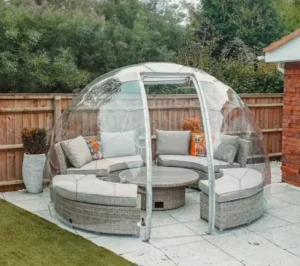
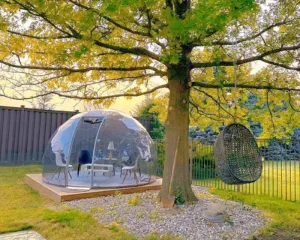
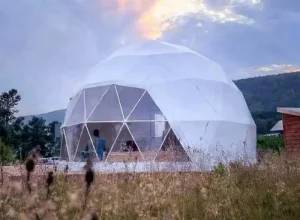
The dome tent (Dome Tent) adopts a cross-arc bracket design, which resembles a hemisphere or dome, and its name “Dome” comes from this. Since its introduction in the 1970s, it has quickly become popular in the camping market with the following advantages:
Strong wind resistance: The arc structure disperses wind force and has better stability than traditional A-type tents.
High space utilization: The vertical wall design increases the internal activity space.
Simple to build: Most products support quick assembly and can be completed by one person within 10 minutes.
Lightweight and many options: There are suitable models from family camping to hiking.
Keyword extension: dome tent design, family camping tent, lightweight tent

Analysis of the advantages and disadvantages of dome tents
Advantages
All-weather adaptability: excellent wind and rain resistance, suitable for multi-terrain camping.
Flexible internal space: some models are equipped with an extended vestibule for equipment storage.
High cost performance: entry-level products are affordable and have low maintenance costs.
Limitations
Weight problem: large family models may exceed 10kg and are not suitable for long-distance hiking.
Weak snow resistance: heavy snowfall weather requires timely cleaning of top snow.
Industry data: According to a survey by the North American Camping Association in 2023, 67% of users choose dome tents as their first camping equipment.
How to choose a dome tent? 5 core indicators
1. Capacity selection
Single tent (1-2 people): weighs 3-5kg, suitable for backpackers.
Family model (4-6 people): focus on ventilation and partition design.
Formula suggestion: number of people + 1 principle (such as 3 people camping, choose 4 people tent for more comfort).
2. Seasonal adaptability
Three-season tent (spring, summer, and autumn): focuses on breathability and light weight.
Four-season tent: strengthen the bracket and fabric to cope with extreme weather.
3. Material comparison
Bracket: aluminum alloy (lightweight and durable) vs. fiberglass (economical and affordable).
Outer tent: polyester fiber (UV-resistant) vs. siliconized nylon (ultra-light and tear-resistant).
4. Detailed design
Waterproof index: PU coating of outer tent needs to be ≥2000mm, and ground fabric ≥3000mm.
Ventilation system: double doors + top ventilation window can reduce condensation.
5. Brand and after-sales
International brands: Coleman, MSR, Big Agnes (high professionalism).
Domestic brands: Mogoda, Nooker (cost-effective choice).
Keyword implantation: dome tent purchase guide, tent waterproof index, four-season tent recommendation
Recommendation of popular dome tent models
First choice for family camping: Coleman Sundome 4-person tent
Highlights: patented WeatherTec waterproof system, 10 minutes to set up.
Lightweight hiking: MSR Hubba Hubba 2-person tent
Highlights: only 1.7kg, DAC high-strength aluminum alloy bracket.
The king of cost-effectiveness: Mu Gaodi Cold Mountain 2 upgraded version
Highlights: full-surface waterproof glue, free repair kit.
Usage and maintenance tips
Building tips: first fix the four corners of the ground nails and then set up the main pole to keep the outer tent tight.
Cleaning and storage: store after drying in the shade to avoid mold growth.
Repair DIY: prepare adhesive patches and spare tent pole connectors.
Frequently asked questions
Q: Can dome tents withstand heavy rain?
A: Tents that meet waterproof standards can cope with medium and heavy rain, but they need to avoid low-lying waterlogged areas.
Q: Can a single-person tent accommodate two people?
A: It is feasible, but it is recommended to choose a model with the nominal number of people + 1 to ensure comfort.
Dome tent vs. other tent types
Tunnel tent: larger space but weaker wind resistance.
Pyramid tent: extremely lightweight, relying on the support of the central trekking pole.
Roof tent: suitable for self-driving tours, but the cost is relatively high.
Conclusion
Whether it is a picnic in the park or an alpine adventure, the dome tent can meet diverse needs with balanced performance. Master the purchase points and usage tips in this article, and you will easily start a safe and comfortable outdoor life. Collect this guide now and prepare for the next adventure!