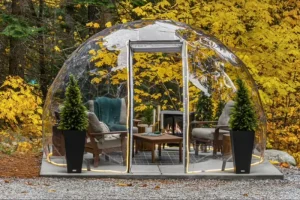
As modern life evolves, more people look for housing that’s affordable, eco‑friendly, and strong. Enter Dome Homes — unique, spherical dwellings that blend innovative design with practical advantages.
🏠 1. What Are Dome Homes?
Dome Homes come in two main forms:
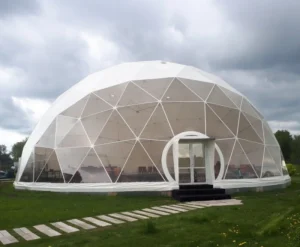
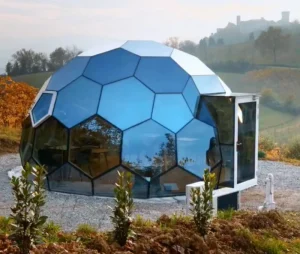
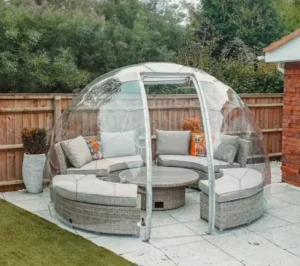
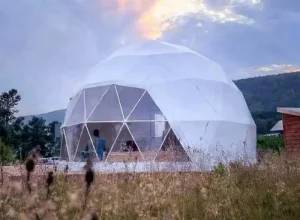
Geodesic domes: Characterized by their triangulated steel or aluminum frames clad in prefab panels or covers. Popularized by architect Buckminster Fuller in the mid‑20th century architecturaldigest.com+2landsharing.org+2reddit.com+2.
Monolithic domes: Built by inflating a formwork then coating it with concrete, creating one continuous shell architecturaldigest.com.
These shapes offer more than novelty—they bring real benefits in structure, energy, and cost-efficiency.
🌍 2. Why Choose Dome Homes?
A. Energy Efficiency and Lower Costs
The dome’s spherical shape encloses more space with less surface area—up to 30% less than box homes—leading to lower heating and cooling expenses . One case study showed $2,500 in savings over five years landsharing.org. Overall, material savings and utility efficiency make Dome Homes cost-effective from build to lifetime upkeep.
B. Durable and Disaster-Resistant
Domes evenly distribute stress, making them resilient in extreme conditions like hurricanes, earthquakes, tornadoes, and wildfires . Coastal cities are even exploring dune-like domed housing to withstand rising storms reddit.com+15reddit.com+15axios.com+15.
C. Fast, Affordable Construction
Prefab geodesic kits start from a few thousand dollars (e.g., $5K–$25K for 200–800 ft²) . Monolithic concrete domes can be DIY‑built under $10K alittledelightful.com+14landsharing.org+14axios.com+14. Some models cost 5–15% less than conventional houses, using up to 60% less lumber axios.com.
🔧 3. Eco‑Living Meets Versatility
Dome Homes support eco-conscious living:
Built-friendly materials like earth, hemp, or recycled panels reduce carbon footprint .
Efficient airflow and insulation lessen reliance on mechanical heating/cooling .
Many integrate solar panels, rainwater collection, and geothermal systems .
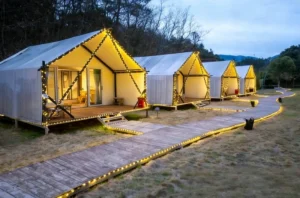
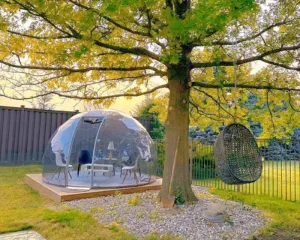
They’re ideal for various uses—from permanent residences to guest cabins, studios, glamping spots, and emergency shelters .
⚠️ 4. Real-World Challenges
While innovative, Dome Homes have some considerations:
Interior design: Curved walls can challenge furniture placement; echoes are common domespaces.com+15landsharing.org+15domespaces.com+15. Creative storage and lofts help optimize space useablespaces.com+2capsulecastle.com+2omspace.es+2.
Permitting & financing: Irregular shapes may need custom approvals and can complicate appraisals and mortgages .
Niche market: Unique design can make resale slower—buyers are selective, though rental appeal (Airbnb, glamping) remains beyond niche .
🛠️ 5. Proven Use Cases
DIY off-grid homes: Owners worldwide live in dome kits with solar power and wood stoves reddit.com+1domespaces.com+1.
Disaster & emergency shelters: Monolithic domes are favored for rapid deployment in high-risk zones .
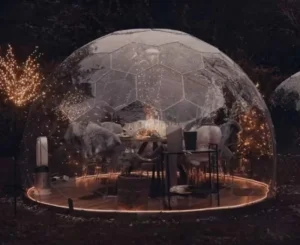
Glamping & retreats: Attractive, quick-deploy domes are popular at eco-resorts and vacation rentals .
🔑 6. Core SEO Keywords
To strengthen search visibility, this article incorporates:
Dome Homes, Geodesic Dome, Monolithic Dome
Affordable Dome Homes, Disaster‑resistant Housing, Prefab Dome Kits
Eco Dome Home, Energy‑Efficient Dome, Portable Dome House
These keywords are woven naturally to support discoverability and reader engagement.
✨ 7. Final Takeaway
Dome Homes represent an innovative blend of cost-efficiency, resilience, sustainability, and visual impact. Whether for full-time living, retreats, studios, or emergency shelters, domes offer a compelling alternative to conventional homes. Challenges around interior layout, local codes, and resale are real—but manageable with thoughtful planning and design.
As housing needs shift toward affordability, climate resilience, and ecological consciousness, Dome Homes stand out as a smart, stylish solution for forward-thinking homeowners and communities.