Introduction
With people pursuing sustainable farming, home gardening, and eco-friendly lifestyles, the greenhouse market is experiencing rapid growth. According to a Grand View Research report, the global greenhouse market is expected to exceed $60 billion by 2030, driven primarily by modern materials and energy-efficient designs.
Amid this high demand, two major greenhouse types have emerged: the familiar traditional greenhouse and the innovative polycarbonate dome greenhouse, which has emerged in recent years. Faced with these two distinct structures, you may be confused: What are the differences? Which is the best long-term investment option for me?
This article will provide a comprehensive analysis and practical advice from various perspectives, including structure, performance, lifespan, and cost.

What Is a Polycarbonate Dome Greenhouse?
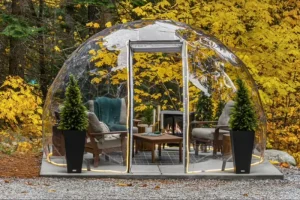
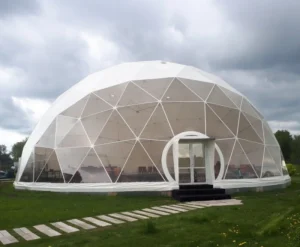
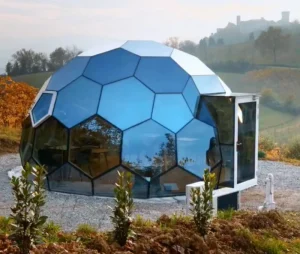
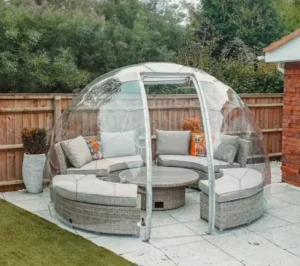
A polycarbonate dome greenhouse is a modern greenhouse designed using high-strength polycarbonate sheet (PC sheet) as the primary covering material and a geometric dome structure as the framework.
Structural and Design Features
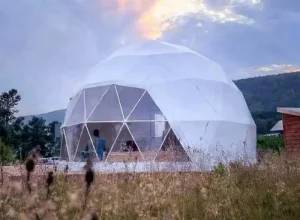
The dome utilizes an aluminum alloy or galvanized steel frame, with a triangular geometric structure that achieves self-balancing forces, making it more stable against external pressures such as wind and snow.
This design, inspired by the “Geometric Dome Principle” of architect Buckminster Fuller, offers exceptional resistance to wind and pressure.
Material and Functional Advantages
Polycarbonate is a highly transparent, impact-resistant engineering plastic with a light transmittance of 85–90%, approaching that of glass, yet weighing only one-sixth and boasting 250 times greater strength.
In addition, double-layer or hollow PC panels offer excellent thermal insulation, effectively reducing heat loss at night and maintaining a stable growing environment for plants even in cold weather.
Typical applications include:
- High-end home gardening and ornamental greenhouses
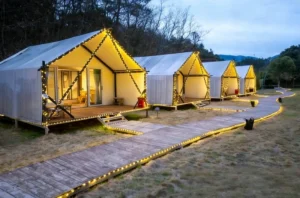
- Eco-resorts and camping camps (Eco Dome)
- Commercial displays and research laboratories

What Is a Traditional Greenhouse?
A traditional greenhouse typically refers to a classic rectangular or arched structure, with glass or PVC film as the primary covering material.
Structural Design
Common traditional greenhouses include A-frame greenhouses, arched greenhouses, and multi-span greenhouses, with frames often made of steel or galvanized iron pipes. Their design focuses on practicality and affordability, making them suitable for large-scale agricultural production.
Key Features
Traditional greenhouses offer high light transmittance and uniform illumination, meeting the needs of most vegetable, flower, and fruit cultivation. Due to their mature construction technology and readily available materials, their overall cost is relatively low, making them widely used in agriculture.
However, they lack insulation, durability, and weather resistance, particularly in windy and snowy areas, where they are prone to structural deformation or membrane degradation.
Key Differences Between Polycarbonate Domes and Traditional Greenhouses
The core differences between these two types of greenhouses lie in the material’s engineering properties and structural geometry. These differences directly impact your gardening results, long-term maintenance costs, and user experience.
Material Strength: Which can withstand greater impact?
Traditional greenhouses, especially those with glass structures, are prone to breakage, which not only increases repair costs but also poses a potential safety hazard. While glass greenhouses are aesthetically pleasing, their vulnerability is instantly exposed to unexpected impacts, such as hail, golf balls, or flying debris.
In contrast, the core advantage of polycarbonate dome greenhouses lies in their outer shell material—PC sheet. This material is renowned for its exceptional toughness and impact resistance, boasting approximately 200 times the strength of glass of the same thickness. This makes it virtually indestructible against external impacts, providing users with a higher level of safety and a longer material lifespan.
Light Transmission: How is sunlight utilized in the two structures?
Traditional glass greenhouses undoubtedly offer high light transmittance, but their rectangular structure and numerous right-angled frame joints can create significant shadow areas, particularly at certain times of day, which can limit the growth efficiency of plants on the edges. Furthermore, glass is prone to glare, which can be unpleasant for some shade-loving plants.
Polycarbonate domes utilize their unique spherical curvature to achieve 360-degree daylighting. This geometry allows sunlight to enter the interior at a more uniform angle, reducing frame shadows and improving internal light distribution.
High-quality PC sheets often feature an ultraviolet (UV)-resistant coating, ensuring the light spectrum required by plants while effectively preventing the sheet itself from yellowing and aging, maintaining long-term clarity.
Insulation and Energy Efficiency: Which can help you save on winter heating costs?
Traditional greenhouses (especially those with single-layer glass or film structures) have large surface areas and difficult to seal, leading to rapid heat loss. Maintaining a constant temperature during cold winter months or at night requires significant additional energy consumption, which directly leads to high operating costs.
Polycarbonate dome greenhouses offer inherent advantages in energy efficiency. Their geodesic, spherical structure has a minimal surface-to-volume ratio, meaning minimal contact with the outside environment, significantly reducing heat loss. Furthermore, high-quality PC sheets, especially double-layer hollow sheets, offer excellent thermal insulation, effectively trapping internal heat and effectively reducing winter heating energy consumption.
Weatherproofing: Which is more reliable against storms and snow?
The right-angled walls of traditional rectangular greenhouses create significant wind pressure concentrations when exposed to strong winds, a major cause of structural failure. Film greenhouses are more susceptible to tearing or blowing apart. In snowy regions, flat roofs are also prone to heavy snow accumulation, placing significant stress on the structure.
The geodesic principle and streamlined shape of polycarbonate domes make them inherently resistant to wind and snow. The spherical design evenly distributes wind forces, eliminating stress concentration points. For example, the Gaxdome design can easily withstand wind ratings exceeding the industry average, and its strong snow load capacity prevents snow accumulation, providing users with a truly reliable “safe haven.”
Exterior Design: Gardening Facility or Landscape Focus?
Traditional greenhouse design is typically functional. While practical, rectangular structures lack visual appeal in modern landscapes, making them more like agricultural structures and failing to enhance the overall aesthetic value of a property.
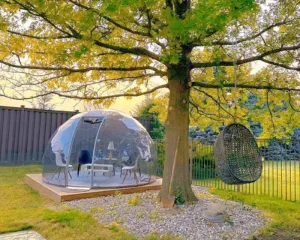
Polycarbonate dome greenhouses, with their unique futuristic and technological appeal, have quickly become a focal point in outdoor spaces. Their sleek, harmonious shape blends seamlessly into any natural environment, creating a striking addition to any landscape, whether by the sea, in the mountains, or in urban gardens. This makes it far more valuable than a simple greenhouse, transforming it into an outdoor recreational area that enhances your quality of life.
Maintenance Cost: Which is More Worry-Free Long-Term?
Traditional film greenhouses require frequent inspection and replacement of film, typically every few years. Meanwhile, glass greenhouses, if damaged, are expensive and time-consuming to repair. This makes traditional greenhouses more expensive over the long term.
Polycarbonate domes offer extremely low maintenance costs. High-quality PC panels can last over 10 years, and routine maintenance requires only simple cleaning. Their sturdy structure and excellent impact resistance virtually eliminate repair costs due to accidental damage, providing true low-maintenance, high-durability.
Cost Investment: Balancing Initial Price with Long-Term Value
Traditional film greenhouses have the lowest initial cost, making them ideal for beginners on a very limited budget. Traditional glass greenhouses, on the other hand, have a very high initial cost and carry significant risks.
The initial investment for a polycarbonate dome greenhouse is generally somewhere between that of a film greenhouse and a high-end custom glass greenhouse. While more expensive than basic film greenhouses, their exceptionally long lifespan (10-15 years), extremely low energy consumption, and versatile living space offer a significantly higher long-term return on investment (ROI) than traditional greenhouses requiring periodic material replacement.
Cost and Lifespan Comparison of Polycarbonate Dome Greenhouses and Traditional Greenhouses
When choosing a greenhouse, cost and lifespan are often the two most important considerations. While polycarbonate dome greenhouses have a slightly higher initial construction cost, they offer superior long-term performance in terms of energy consumption, maintenance, and overall return on investment.
First, in terms of construction cost, polycarbonate itself is more expensive than glass or PVC film, and the dome structure requires more complex processing, resulting in a higher initial investment. However, its durability and thermal insulation significantly reduce future energy consumption and maintenance costs.
In comparison, traditional greenhouses are indeed cheaper, but due to rapid material aging, poor insulation, and frequent maintenance, overall long-term operating costs are often higher. Many farmers or gardeners need to replace the film or repair the frame within 3-5 years, resulting in a relatively low overall return on investment.
Furthermore, polycarbonate dome greenhouses, with their excellent energy-saving properties, can effectively reduce energy consumption for winter heating and summer cooling, resulting in long-term savings of approximately 30–40% in energy costs. This is particularly important given the continued rise in energy prices.
In summary, when considering the total lifecycle cost, polycarbonate dome greenhouses undoubtedly offer higher economic value and investment return potential.
Item | Polycarbonate Dome Greenhouse | Traditional Greenhouse |
Initial Construction Cost (per m²) | $800–$1200 | $500–$800 |
Lifespan | 10–15 years | 3–5 years |
Annual Maintenance Cost | Low (approximately 5% per year) | High (approximately 15–20% per year) |
Annual Energy Expense | Energy saving 30–40% | Higher energy consumption |
Investment Payback Period | 3–5 years | 1–3 years (with frequent repairs) |
From a long-term perspective, polycarbonate dome greenhouses provide a higher overall return. They can maintain stable performance for over 10 years and reduce operational costs through energy-efficient design, making them an ideal choice for both durability and economic efficiency.
Polycarbonate Dome Greenhouse vs. Traditional Greenhouse: How to Choose?
The choice of greenhouse ultimately depends on your core needs, location, and long-term plans. Here are some reasonable guidelines:
1. Choose based on your budget
If your budget is extremely limited and you’re only interested in simple, short-term vegetable cultivation, a traditional film greenhouse may be your initial choice. It’s cost-effective and can quickly meet basic growing needs.
If you seek ultimate horticultural effects and versatility, and consider it an extension of your outdoor living space, a polycarbonate dome greenhouse is the ideal choice. While the initial investment is higher, its aesthetic, disaster resistance, and long-term energy savings can improve your quality of life and reduce long-term operating costs.
2. Choose according to your location
If you live in an area subject to wind, snow, or frequent hailstorms, consider a polycarbonate dome greenhouse for its structural stability and high impact resistance. Its geodesic geometry and the toughness of PC panels provide a level of security unmatched by traditional greenhouses.
If you live in a mild climate and have adequate daylight, either structure is suitable. At this point, you should focus on aesthetics, maintenance costs, and versatility.
3. Consider long-term ROI
If you are a commercial user or plan to hold the property long-term as an added value: The unique visual appeal and versatile uses of polycarbonate dome greenhouses (such as event rentals and high-end B&B facilities) give them a higher market premium and often a faster return on investment.
Summary
In short, traditional greenhouses are time-tested, functional gardening tools; polycarbonate dome greenhouses represent a perfect fusion of structural engineering, material science, and modern aesthetics.
Through its innovative geometric design, it addresses the inherent shortcomings of traditional greenhouses in terms of structural safety, thermal insulation, energy efficiency, and space utilization. I
f you are looking for a versatile, high-quality outdoor structure that transcends tradition, withstands extreme weather conditions, and accommodates both farming and leisure, the polycarbonate dome greenhouse is undoubtedly the ideal future-proof choice.
Don’t let the structure limit your outdoor living and gardening dreams. Choosing a sturdy, energy-efficient, and beautiful structure is the best investment in your future quality of life.
Gaxdome specializes in providing the highest quality polycarbonate dome greenhouses. All our products undergo rigorous structural testing and meet international snow and wind resistance standards. We also provide detailed DIY installation instructions and professional after-sales support.
Contact us today to customize a custom polycarbonate dome greenhouse solution tailored to your climate and site requirements and start living your dream outdoor life!